Why Eskag Sanjeevani is the Best Hospital for Gastroenterology Care
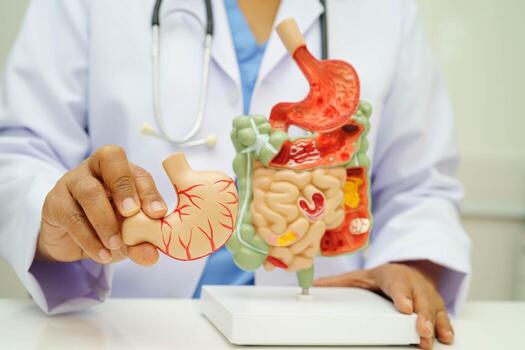
Digestive conditions range from manageable chronic issues, such as acid reflux, IBS, and gallstones, to serious diagnoses like liver cirrhosis, inflammatory bowel disease, and gastrointestinal cancers that require precise endoscopic and surgical planning. At Eskag Sanjeevani’s gastroenterology units in Baghbazar, Baranagar, and Khardah, specialists manage this full spectrum using advanced diagnostic endoscopes, EUS-guided imaging, and ERCP-capable interventional suites. The department handles both routine outpatient consultations and complex hepatobiliary procedures, with GI cancer screening available across all three locations.
Meet Our Top Gastroenterologists in Kolkata
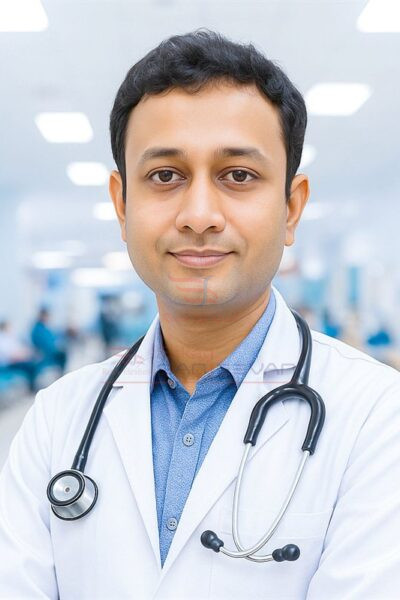
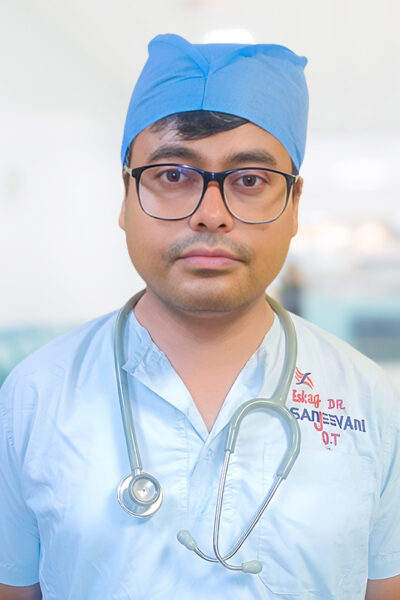
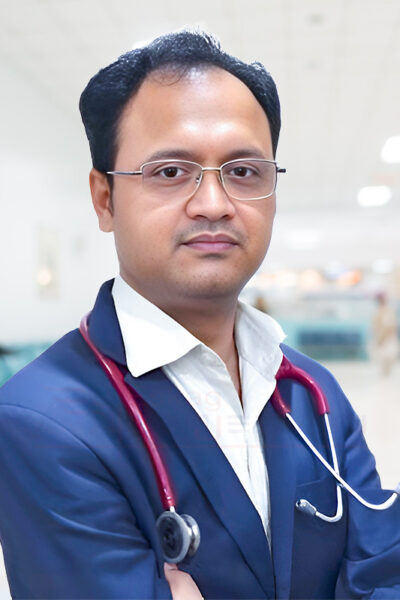
Our gastroenterology department is led by experienced specialists in digestive, liver, and pancreatic medicine. Each doctor provides accurate diagnoses and evidence-based treatment plans tailored to the patient’s condition, from first presentation through long-term management.
Specialised Treatments for Digestive & Gastrointestinal Conditions
Acid Reflux & Peptic Ulcer Management: Targeted therapies for GERD (Gastroesophageal Reflux Disease) and peptic ulcers, preventing long-term oesophageal damage. Treatment combines medication protocols with structured dietary guidance to reduce recurrence and restore digestive comfort.
Liver & Biliary Disease Care: Comprehensive management for liver cirrhosis, hepatitis, jaundice, and gallbladder stones. Advanced medical protocols manage hepatic conditions and slow disease progression, with specialist oversight throughout.
Inflammatory Bowel Disease (IBD) & IBS: Evidence-based protocols for Crohn’s Disease, Ulcerative Colitis, and irritable bowel syndrome. Targeted immunomodulators and dietary interventions control flare-ups and improve long-term quality of life.
Pancreatic Disorders: Medical and endoscopic interventions for acute and chronic pancreatitis. Treatment plans are adapted to disease severity, from conservative management to interventional drainage procedures.
Minimally Invasive Interventions: Precise management of GI bleeding, stricture dilation, and stent placements using advanced endoscopic techniques, with minimal recovery time and reduced procedural risk compared to open surgery.
Gastrointestinal Cancer Care: Early screening, diagnosis, and collaborative treatment planning for cancers of the oesophagus, stomach, colon, and liver, with integrated oncology support at every stage.
Advanced Gastroenterology Diagnostics & Services
Upper GI Endoscopy & Colonoscopy: High-resolution digital endoscopes allow direct visualisation of the digestive tract from oesophagus to colon, enabling early detection of cancers, polyps, ulcers, and active bleeding sites.
ERCP (Endoscopic Retrograde Cholangiopancreatography):ERCP is a specialised diagnostic and therapeutic procedure that treats blockages in the bile and pancreatic ducts, including stone removal and stent placements, without the need for open surgery.
Endoscopic Ultrasonography (EUS): Combines endoscopy with high frequency ultrasound to generate detailed images of the digestive tract and surrounding organs, essential for evaluating submucosal lesions and staging GI tumours accurately.
Biopsy & Histopathology: Targeted mucosal biopsies for the definitive diagnosis of inflammatory conditions, coeliac disease, and malignant growths, with pathology results delivered rapidly from the in-house lab.
Advanced Imaging & Liver Panels: Integrated blood investigations including liver function tests and metabolic profiles, combined with 128-slice CT scan and 1.5 Tesla MRI scanning, to establish the root cause of complex abdominal conditions before treatment begins.
When Should You See a Gastroenterologist in Kolkata?
Early intervention prevents minor digestive symptoms from progressing into chronic conditions or requiring emergency surgery.
Persistent Heartburn: When antacids no longer control acid reflux or difficulty swallowing develops, a clinical evaluation is necessary to rule out oesophageal damage or GERD complications.
Chronic Abdominal Pain: Severe, unexplained, or recurring abdominal pain requires investigation to exclude ulcers, gallstones, or appendicitis.
Unexplained Weight Loss: Rapid, unintentional weight loss can indicate malabsorption, inflammatory bowel disease, or gastrointestinal malignancy and should not be attributed to diet changes without a clinical assessment.
Changes in Bowel Habits: Persistent diarrhoea, chronic constipation, or alternating bowel patterns lasting more than four weeks warrant specialist evaluation for IBS, colitis, or other structural causes.
Blood in Stool: Blood in vomit or stool is a medical emergency requiring immediate endoscopic assessment to locate and stop active GI bleeding.
Jaundice: Yellowing of the skin and eyes signals liver or biliary dysfunction and requires urgent diagnostic workup; delay allows underlying conditions to progress significantly.
Specialized Medical Care
Expert Care in Our Gastroenterology Department
Our experienced specialists combine clinical expertise,
advanced diagnostics, and patient-centric care to ensure
accurate treatment and better health outcomes.
GI conditions are among the most under-reported in medicine. Most people manage heartburn with antacids for years, dismiss a change in bowel habits as stress, or notice blood in their stool and wait to see if it resolves. By the time symptoms become impossible to ignore, conditions like GERD, IBD, or early colorectal cancer are already well-established and harder to treat. Our hospitals at Baghbazar, Baranagar, and Khardah offer consultations through the central helpdesk and online portal. Come in for an assessment while the options are still straightforward.
Patient Testimonials
Milan Roy, Kolkata
I had been managing severe GERD for years before consulting Dr Agnibha Dutta. He explained the long-term dietary management plan in a way that was genuinely easy to follow, and my symptoms have been under control since.
Mrinmoy Chatterjee, Kolkata
I had struggled with chronic IBS and malabsorption for years before visiting Dr Abhishek Banerjee. His approach was methodical, a combination of targeted medication and structured lifestyle changes that transformed my gut health completely.
Somesh Mitra, Kolkata
Dr Sujay Ray diagnosed my father’s severe jaundice and abdominal pain quickly and accurately. The treatment plan was explained clearly at every stage, and the recovery was smoother than we had anticipated.
Frequently Asked Questions on: Gastroenterology
What are the most common gastrointestinal diseases?
Common digestive conditions include GERD, irritable bowel syndrome, peptic ulcers, and gallstones. Specialists also frequently manage liver cirrhosis, pancreatitis, inflammatory bowel disease (Crohn’s and Ulcerative Colitis), coeliac disease, and gastrointestinal infections and cancers.
What diagnostic tests are done for stomach problems?
A thorough evaluation may include blood tests (such as liver function tests), stool tests to check for infections or hidden blood, and imaging studies such as ultrasounds or CT scans. Advanced diagnostics such as Upper GI Endoscopy, Colonoscopy, and ERCP are frequently utilised for direct visualisation and targeted biopsies.
Can lifestyle changes improve acid reflux (GERD)?
Yes, lifestyle modifications play a crucial role in managing GERD. Avoiding trigger foods (spicy, acidic, or fatty foods), eating smaller, more frequent meals, not lying down immediately after eating, and maintaining a healthy weight can significantly reduce symptom flare-ups alongside medical treatments.
How long does an endoscopy procedure take?
An upper GI endoscopy is a minimally invasive, day-care procedure that typically takes only 15 to 30 minutes to perform. Patients are usually given a mild sedative to ensure comfort and can often go home the same day after a brief recovery period.
Is Gastroenterology Treatment Covered by Health Insurance?
Most health insurance providers in India cover gastroenterological procedures if they are deemed medically necessary. This includes hospitalisations for severe infections, surgeries for gallstones or hernias, and diagnostic procedures like endoscopies and colonoscopies when prescribed for investigating symptoms. Always check with your specific insurance provider for exact policy details and network coverage.